October 23, 2026
Vehicle collisions can cause damage ranging from minor cosmetic issues to serious structural and mechanical problems. Even accidents that occur at relatively low speeds can affect important safety components, making professional inspections essential before a vehicle returns to the road. According to Forbes, more than 20% of auto collisions are with stationary objects such as poles, shrubbery, or a parked car, demonstrating that damage can occur in many different circumstances.
Understanding the common types of collision damage helps vehicle owners recognize the importance of timely repairs, communicate effectively with insurance providers, and make informed decisions about their vehicles. Professional auto body repair can address visible damage while helping identify underlying problems that may not be immediately apparent.
Exterior Body Damage
Dents, scratches, and damaged body panels are among the most noticeable results of a collision. These problems can occur when a vehicle strikes another car, makes contact with a stationary object, or experiences an impact in a parking lot. Although some damage may appear cosmetic, compromised paint and body materials can expose underlying metal to moisture and corrosion.
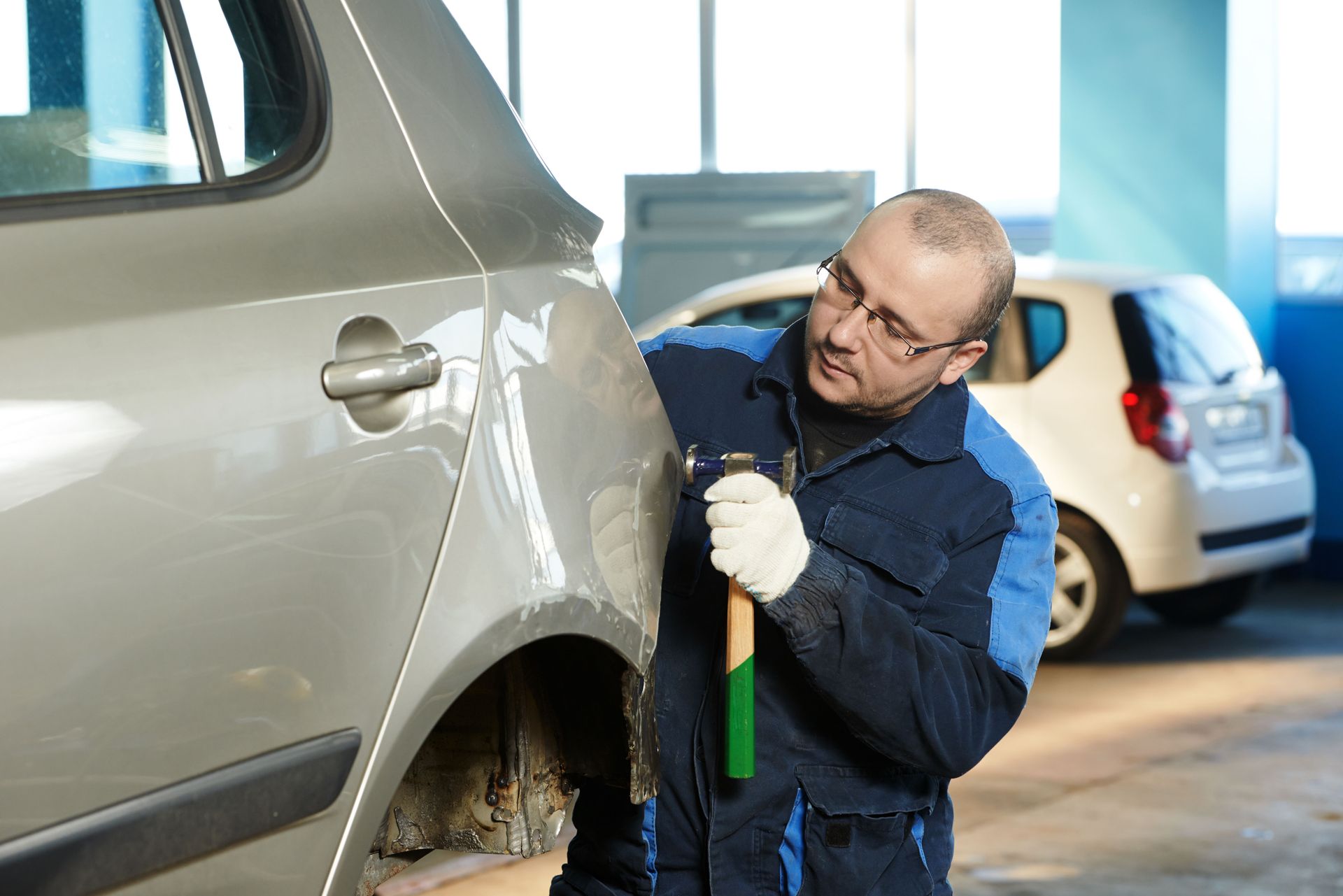
Professional auto body repair restores damaged surfaces and helps protect the vehicle from further deterioration. Technicians assess the extent of the damage before determining whether panels can be repaired or need replacement. Addressing these issues promptly can preserve the vehicle's appearance, maintain its value, and prevent minor cosmetic concerns from becoming more extensive problems.
Bumper Damage
Bumpers are designed to absorb certain impacts and help protect other vehicle components during a collision. However, cracks, dents, broken mounting points, and displaced bumper covers can occur even in relatively minor accidents. Damage behind the bumper may also affect reinforcement structures, sensors, or other safety-related equipment.
Professional auto body repair can determine whether a damaged bumper can be restored or requires replacement. Modern bumpers frequently incorporate parking sensors and driver-assistance technology, making accurate inspections especially important. Proper repairs help restore the bumper's intended function and ensure that connected components operate as expected.
Windshield and Glass Damage
Windshields and other vehicle windows can crack or shatter during collisions, particularly when debris or structural movement places stress on the glass. Even a small chip can develop into a larger crack that interferes with visibility. Windshields also contribute to vehicle structural support and play an important role in proper airbag performance.
The appropriate repair depends on the size, location, and severity of the damage. Minor chips may be repairable, while extensive cracks or damage within the driver's field of vision may require windshield replacement. Professional evaluation helps determine the safest solution and ensures that replacement glass is installed according to applicable vehicle specifications.
Paint Damage and Panel Misalignment
Scraped paint, chipped finishes, and damaged panels can affect both a vehicle's appearance and its protection against environmental exposure. When a collision damages the paint, moisture can reach exposed metal and eventually contribute to rust. Misaligned doors, hoods, trunks, and fenders may also create uneven gaps, wind noise, or problems with proper closure.
Professional auto body repair addresses these concerns through appropriate surface restoration, refinishing, and panel adjustments. Technicians evaluate the surrounding components to identify damage that could interfere with fit or function. Correcting these issues helps preserve the vehicle's exterior, prevent additional deterioration, and restore a consistent appearance.
Structural and Frame Damage
Structural damage is among the most serious consequences of a vehicle collision because it can affect stability, handling, and occupant protection. Impacts may bend or distort the frame, damage structural rails, or affect the unibody construction used in many modern vehicles. Some structural problems are difficult to identify through a visual inspection alone.
Specialized diagnostic equipment allows technicians to measure structural dimensions and compare them with manufacturer specifications. Depending on the findings, repairs may involve controlled structural realignment or replacement of damaged components. Professional assessment is essential because unresolved structural damage can compromise vehicle safety and interfere with the operation of other systems.
Suspension and Axle Damage
The suspension system helps maintain tire contact with the road while supporting vehicle stability and ride comfort. A collision can damage shocks, struts, control arms, springs, or other suspension components, potentially causing unusual vibrations, uneven tire wear, and changes in handling. Axles may also bend or sustain damage during impacts, particularly when a wheel or the underside of the vehicle is struck.
These problems require thorough mechanical inspections to determine which components have been affected. Technicians may recommend repairs, replacement parts, and alignment checks depending on the severity of the damage. Addressing suspension and axle problems helps restore predictable handling and reduces the risk of additional wear on tires and related components.
Steering and Wheel Alignment Problems
A collision can alter wheel alignment or damage steering components, making a vehicle difficult to control. Drivers may notice that the steering wheel sits off-center, the vehicle pulls to one side, or the tires wear unevenly. These symptoms can indicate underlying damage that needs attention before the vehicle is driven extensively.
Professional inspections help identify problems involving steering linkages, suspension connections, and alignment angles. Technicians can determine whether an alignment adjustment is sufficient or whether damaged components must be repaired or replaced first. Restoring proper alignment supports handling, improves tire longevity, and helps maintain vehicle stability.
Engine and Mechanical Damage
Collisions can affect the engine compartment, particularly when an impact occurs at the front or underneath the vehicle. Damaged mounts, displaced components, broken connections, and compromised cooling systems can interfere with normal operation. In more severe cases, impacts may affect the engine itself or other major mechanical assemblies.
A professional inspection helps establish the extent of the damage and identify components that require further testing. Technicians may use diagnostic equipment to investigate warning lights, performance changes, and other symptoms that develop after an accident. Timely assessment can prevent continued operation from worsening certain problems and help determine the appropriate repair strategy.
Fluid Leaks and Exhaust System Damage
Oil, coolant, and transmission fluid leaks can develop when a collision damages reservoirs, hoses, seals, or connecting components. These leaks may lead to overheating, lubrication problems, or transmission difficulties if they are not addressed. Fluid loss can also indicate damage that extends beyond the area where a stain appears beneath the vehicle.
Collisions can additionally affect exhaust pipes, mufflers, catalytic converters, and related mounting hardware. Warning signs include unusual exhaust noise, visible displacement, and changes in vehicle performance. Professional inspections can identify damaged parts and determine whether repairs or replacements are necessary to restore safe operation and appropriate emissions performance.
Crumple Zones and Safety Systems
Modern vehicles incorporate crumple zones designed to deform in controlled ways during certain collisions. This deformation helps absorb crash energy and reduce the forces transferred to occupants. However, once these areas have sustained damage, their ability to perform as intended in another collision may be compromised.
Airbags, seat belts, sensors, and other safety systems also require careful evaluation after an accident. Warning lights or apparently normal operation do not always reveal the full extent of a problem. Qualified technicians can inspect affected components and determine whether repairs, replacements, or system recalibrations are needed to restore the vehicle's intended safety functions.
Hidden Damage and Professional Inspections
Not all collision damage is immediately visible, and seemingly minor accidents can affect components behind exterior panels. Damaged mounting brackets, displaced wiring, weakened supports, and malfunctioning sensors may go unnoticed without a thorough inspection. These issues can affect vehicle performance, safety features, and the long-term reliability of repairs.
Collision damage can affect far more than a vehicle's exterior appearance, ranging from scratched paint and broken glass to structural damage and compromised safety systems. Identifying the full extent of these problems is essential for determining the right repair approach. Professional auto body repair helps restore damaged components, address hidden issues, and support the vehicle's continued reliability.
After a collision, having your vehicle evaluated by experienced professionals can help you understand the damage and determine the next steps. Rockford Collision Center can help vehicle owners address collision-related concerns and work toward restoring their vehicles' appearance and functionality. Contact Rockford Collision Center to discuss your vehicle's damage, arrange an assessment, and learn more about the available repair options.